Digital Business Models: Examples and Guide
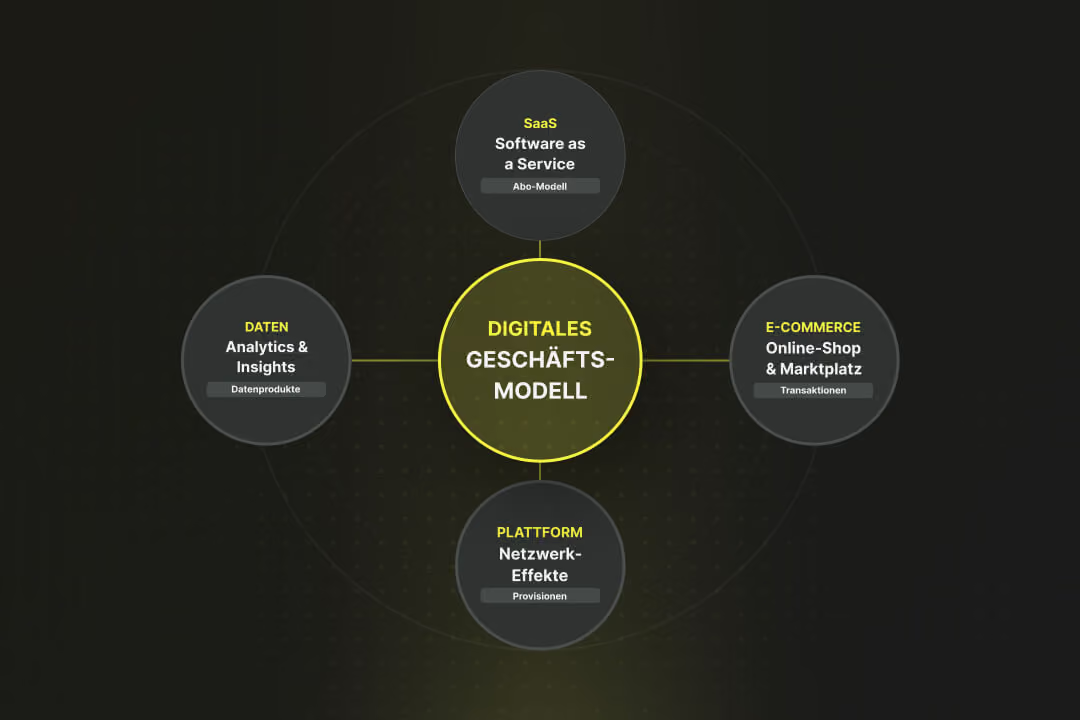
With a digital business model, you can create value and generate revenue with digital products, data, or platforms. This involves providing services online, automating processes, and reaching your customers through digital channels. This enables your offerings to be highly scalable and generate recurring revenue.

Digital Business Models: Key Takeaways
- A digital business model describes how a company creates value and generates revenue with digital products, data, or platforms.
- In digital business models, digital added value takes center stage instead of physical products or traditional services.
- Key models: subscription, freemium, pay-per-use, platform, advertising, API/data services, and hybrid combinations.
- Characteristics of digital business models: recurring revenue, strong scalability, internationalization.
What digital business models are there?
Digital business models differ in how you create value and generate revenue online. They determine where your revenue comes from, how regularly it occurs, and what benefit you offer your customers in return.
Successful providers combine several of these approaches to create a stable and highly scalable source of revenue.
Subscription Model
With the subscription model, your customers pay for ongoing access to a service — monthly, annually, or per user.
- Monetization: Recurring fees, often with tiered packages ("Good–Better–Best") or custom enterprise pricing.
- Best for: Software, content platforms, tools with regular use.
- Advantages: predictable revenue, strong customer loyalty, high customer lifetime value.
Examples:
- Frontify: Branding platform with annual SaaS licenses.
- Netflix: Streaming with tiered plans.
- Adobe Creative Cloud: Software-as-a-Service.

Freemium Model
In the freemium model, part of your offering is free, but a fee applies for advanced features or higher usage.
- Monetization: Free version as a lead generator, revenue through upgrades, add-ons, or team licenses.
- Best for: Software products with a large user base and a clear usage limit.
- Advantages: rapid reach building, viral growth.
Examples:
- Smallpdf: free basic features, premium subscription for unlimited use.
- Dropbox: free storage with upgrade option.
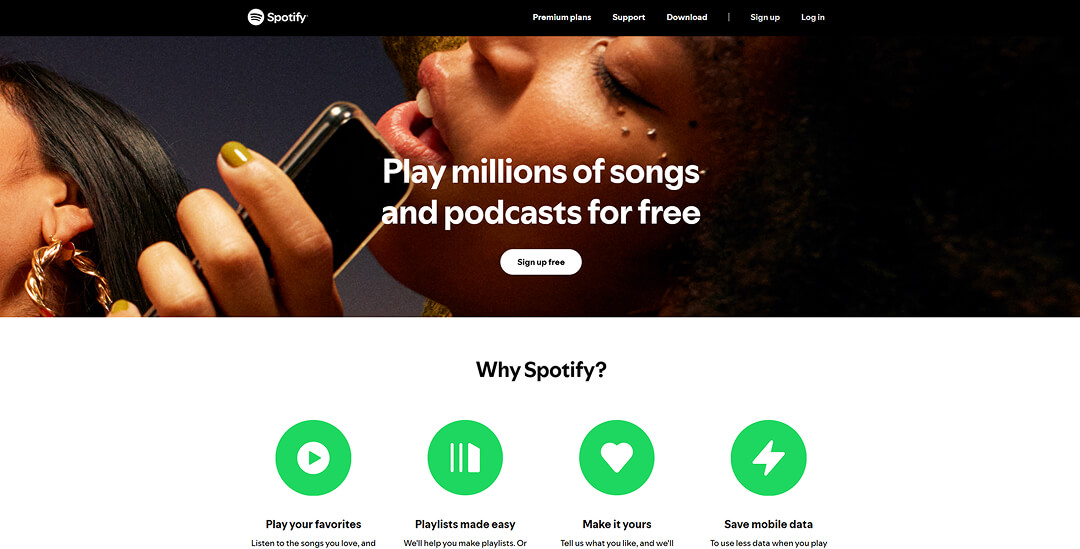
- Spotify: freemium with ads, premium without.
Tip: The free version should provide value but offer enough incentive to upgrade.
Usage-Based or Pay-per-Use Model
With the pay-per-use model, your customers pay only for actual usage — for example, per transaction, minute, or data volume.
- Monetization: Variable fees based on usage (volume, time, number of transactions)
- Best for: Cloud services, APIs, data-based platforms
- Advantages: fair pricing logic, low entry barrier, high transparency.
Examples:
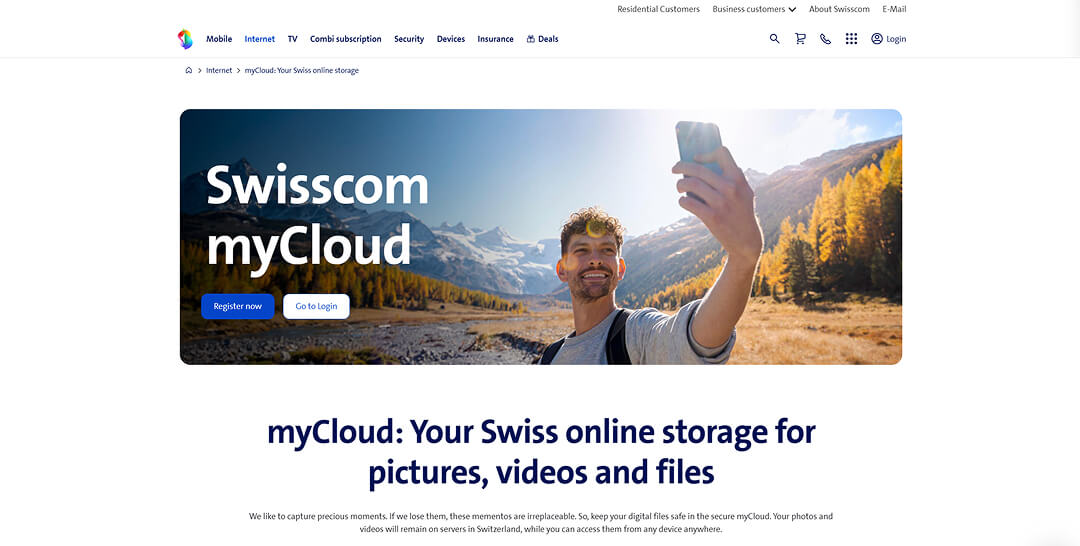
- Swisscom Cloud: billing based on storage or computing power.
- PostFinance API Services: fees per API call.
- Amazon Web Services (AWS): pay-as-you-go per unit used.
Marketplace or Platform Model
Through an online platform you connect providers and customers and earn from transactions or service fees.
- Monetization: Commission per transaction (take rate), listing fees, advertising, or payment fees
- Best for: Brokerage, trading, or service platforms
- Advantages: highly scalable, network effects, recurring revenue.
Examples:
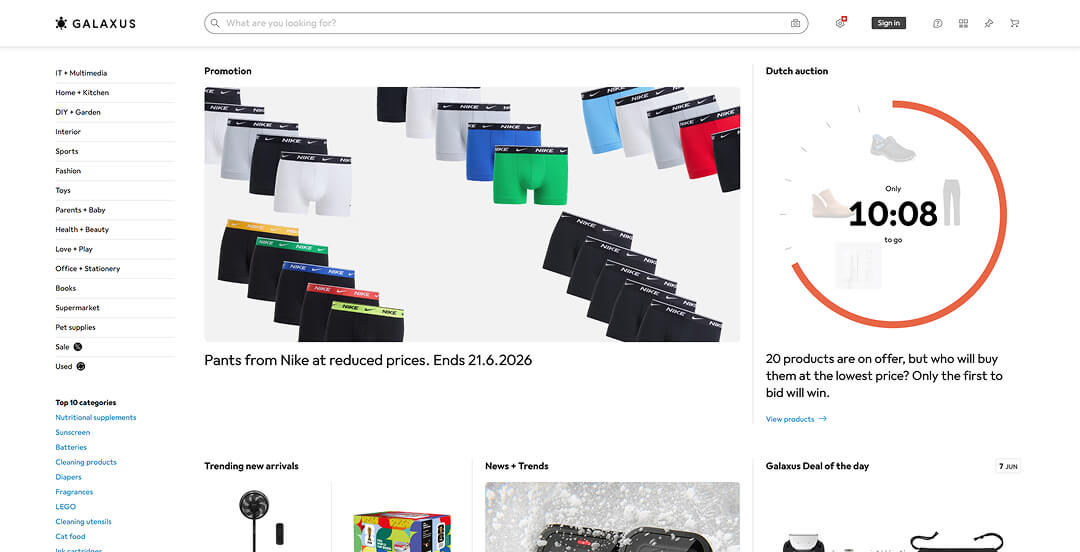
- Digitec Galaxus: marketplace for third-party products.
- Cardmarket: marketplace for collectible cards.
- TWINT: payment platform with merchant fees.
- Airbnb: brokerage with a commission model.
Tip: Here you'll learn how to build your online marketplace.
Advertising and Reach Model
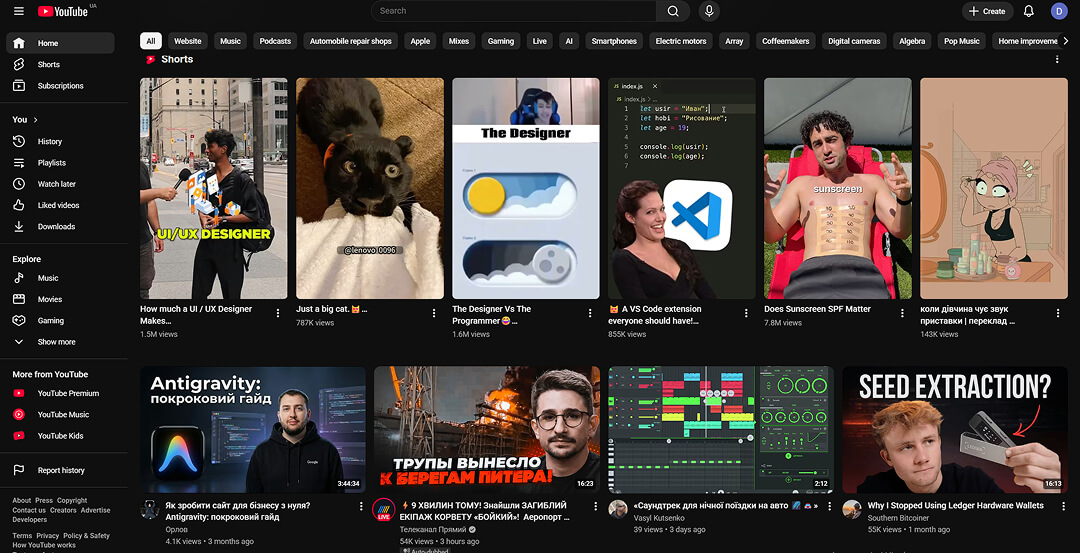
With the advertising model, usage is free; your revenue comes from advertising, sponsoring, or partner offers.
- Monetization: Click- or impression-based pricing (CPC/CPM), sponsored content, affiliate commissions.
- Best for: Media, blogs, communities, comparison portals.
- Advantages: scalable with high reach.
Examples:
- 20 Minuten: free news financed by ads.
- YouTube: ad placements before and during videos.
- Comparis: affiliate links and partner commissions.
API / Data-as-a-Service Model
With this model, you provide data or interfaces and charge fees per access or volume.
- Monetization: API plans with tiered limits, usage-based pricing, license fees.
- Best for: data-based business models, integration platforms.
- Advantages: recurring revenue, high technical added value.
Examples:
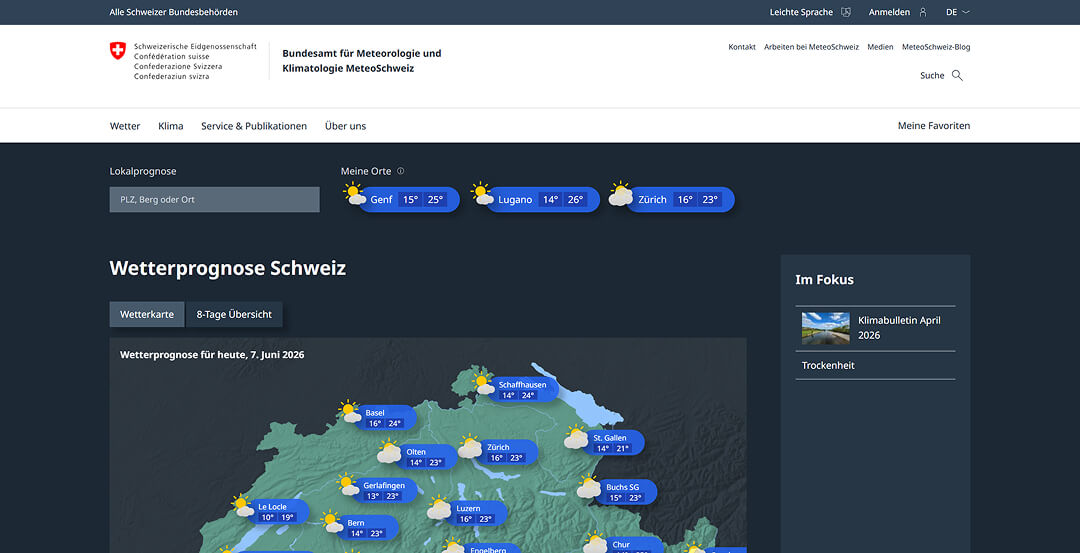
- MeteoSchweiz API: structured weather data for developers.
- OpenAI API: billing per request ("token").
- Swisscom Developer APIs: communication and IoT interfaces.
Product-plus-Service Model
Here you combine physical products with digital add-on services, such as sensors, cloud services, or software.
- Monetization: One-time sale combined with ongoing fees for maintenance, software updates, or data services
- Best for: Industry, construction, energy, smart home
- Advantages: predictable follow-up revenue, close customer loyalty.
Examples:
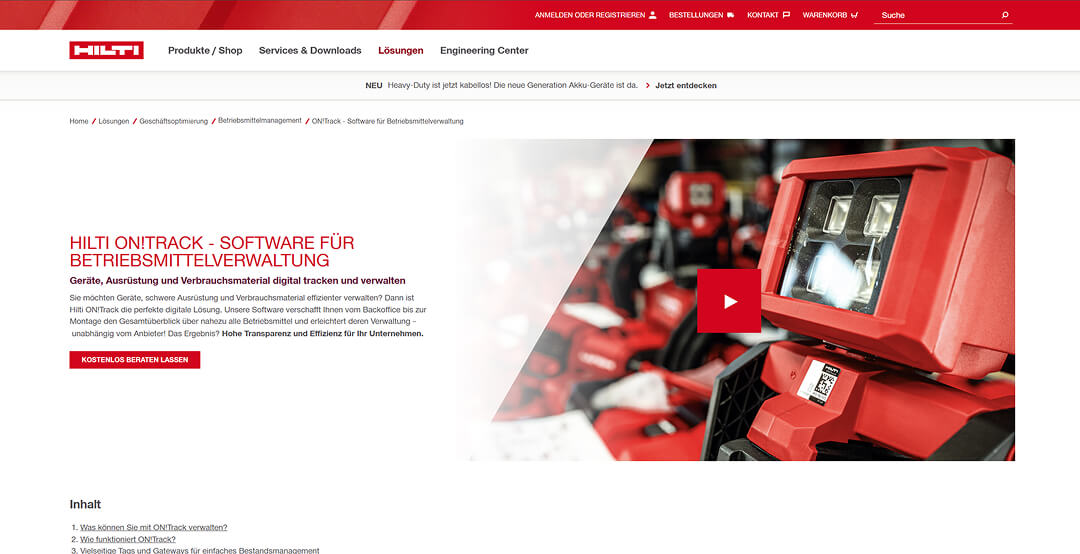
- Hilti ON!Track: tool management with cloud connectivity.
- ABB Ability: industrial systems with digital monitoring.
- Tesla: vehicle software and add-on features for a surcharge.
Which digital business models are right for me?
If you want to build your own digital business model, you can create content and later monetize it in several ways, run e-commerce, offer individual digital products such as e-books or online courses, add affiliate marketing to your model, act as a consultant, or provide your own tools.
1. Content-Based Model
- Examples: Blog, YouTube channel, podcast, newsletter
- Revenue Streams: Advertising, affiliate links, sponsorships, digital products
- Barrier to Entry: Low
- Requirements: Time, subject matter expertise, regular content
- Advantage: Well suited if you want to share knowledge or experiences.
2. E-commerce / Dropshipping
- Examples: Online shop with Shopify, Etsy, or Amazon FBA
- Revenue Streams: Sale of physical products (without own inventory for dropshipping)
- Barrier to Entry: Medium
- Requirements: Product research, marketing, customer service
- Advantage: Good scalability, many automation possibilities.
3. Digital Products
- Examples: E-books, online courses, design templates, software
- Revenue streams: One-time sales or subscriptions
- Barrier to entry: Low to moderate
- Requirements: Expert knowledge or creative skills
- Advantage: Highly scalable, as digital products can be sold an unlimited number of times.
4. Affiliate Marketing
- Examples: Affiliate links on blog, website, or social media
- Revenue streams: Commissions on sales made through your links
- Barrier to entry: Low
- Requirements: Reach or a good SEO strategy
- Advantage: No product of your own needed.
5. Freelancing or Consulting
- Examples: Graphic design, copywriting, social media management, coaching
- Revenue streams: Hourly or project-based fees
- Barrier to entry: Low
- Requirements: Expertise and self-marketing
- Advantage: Can be started immediately on platforms like Upwork, Fiverr, or LinkedIn.
6. No-Code Tools / Micro-SaaS
- Examples: Small web apps or automations with tools like Bubble, Glide, or Make
- Revenue streams: Subscriptions or one-time sales
- Barrier to entry: Medium to high
- Requirements: Understanding digital processes
- Benefit: Enables scalable software products without programming knowledge.
How do I develop a digital business model?
To develop a digital business model, first define the customer problem you want to solve, then determine how your offering creates value, and decide how you will be paid for it. After that, build a simple prototype, test pricing and demand in the market, and optimize your model using real usage data.
1. Understand the customer problem
- Analyze which specific problem you want to solve digitally.
- Conduct interviews or surveys to assess demand and willingness to pay.
- Identify whether the added value for the customer, from their perspective, lies in efficiency, convenience, data, or access.
Tip: In this article, you'll learn how to develop a product strategy.
2. Formulate your value proposition
- Clearly describe the benefit your offering provides and why it's better than existing solutions.
- Define for whom you are solving the problem (target audience, market segment).
- Outline your core value in one sentence ("Value Proposition").
3. Choose a business model type
- Decide how you want to generate revenue (subscription, usage, platform, advertising, hybrid).
- Check which model suits your product, market, and frequency of use.
- Consider scalability and compliance in the Swiss context (FADP, VAT).
Tip: In this article, you'll learn more about SaaS development.
4. Develop an MVP (Minimum Viable Product)
- Create a simple, functional version of your product to test hypotheses.
- Focus on the core functionality that truly solves the problem.
- Gather feedback from initial test customers.
Tip: In this article, you'll learn more about digital product development.
5. Build business processes and platform logic
- Plan how users will interact, pay, and consume your service.
- Choose appropriate tools, payment systems, and hosting solutions.
- Define data flows and interfaces (APIs).
Tip: In these articles, you'll learn how to build an online marketplace and create an online platform.
6. Test monetization and pricing strategy
- Start with simple pricing tiers or usage models.
- Monitor conversion rates, willingness to pay, and feedback.
- Iteratively optimize prices based on real data.
7. Plan go-to-market and scaling
- Define your marketing strategy (Product-Led, Sales-Led, or Hybrid).
- Define KPIs: Activation, Retention, Revenue Growth.
- If necessary, plan for internationalization (language, currency, support).
Tip: In this article, you'll learn how to create a booking platform.
8. Review legal, data protection, and compliance
- Consider GDPR, VAT, platform taxation, and data retention.
- Create legally compliant terms and conditions, privacy policy, and terms of use.
9. Continuously measure and improve
- Regularly monitor KPIs such as Churn, LTV/CAC, MRR.
- Collect usage data to evolve your product.
- Continuously adapt your business model to market changes.
Developing Digital Business Models with Axisbits
At Axisbits, we rely on methods in our development projects that implement your idea in the shortest possible time. This enables you to, go to market very quickly and test your software or app with real users as soon as possible.
The resulting insights are then incorporated into the ongoing development process of your digital business model.
Examples of our product development:
- Vokus24, software for care emergency pools: The Vokus24 platform was rebuilt for over 400 healthcare facilities in Switzerland. The solution includes a modern user interface, automated processes, and algorithm-based job matching. Dashboards provide all stakeholders with individual views and notifications.
- in2humans, AI platform for personalized communication: Axisbits developed a SaaS platform for the startup in2humans that creates user profiles and provides recommendations for business communication based on them. The software combines personality assessments with AI-driven action recommendations.
In our portfolio you will find many more successful projects.
If you want to design your product to be future-proof from the start and develop it digitally, get in touch with us. We offer high-end software development without off-the-shelf solutions or standard schemes. Do you already have a project idea? Let's dive into your project together.
{{fs-btn-cta}}
Wir schaffen leistungsstarke Plattformen und Websites für Startups, Scale-Ups und KMUs, von Konzept bis Go-Live.
We develop high-end software and online platforms for startups, scale-ups, and SMEs – from concept to finished product
Digital Business Models: Frequently Asked Questions
Key models include subscription models, freemium, pay-per-use, platforms, advertising models, API/data services, hybrid models, and open-core approaches. Many successful providers combine several of these types to generate stable and scalable revenue.
The model must align with the product and customer usage patterns. Assess whether your offering is used frequently or rarely, if network effects are present, and what the willingness to pay is. These factors determine which pricing and revenue logic will be effective.
Start with the customer problem, formulate your value proposition, and choose a suitable revenue model. Develop an MVP, test pricing and market reactions, and optimize your model based on real usage data.
Revenue is generated through recurring fees, usage-based pricing, advertising, transaction commissions, or licensing fees. It's crucial that the price reflects the perceived value of your offering and is communicated honestly.
They are highly scalable, largely location-independent, and generate recurring revenue. Furthermore, customer data can be leveraged to continuously improve products and strategically guide marketing.
More articles

Business Process Management (BPM) is the structured control of business processes through modeling, automation, measurement and optimization. The EU rules DORA and NIS2 reach Swiss companies too, by way of their supply chains.
Software deployment is the process that moves finished code out of the development environment and into live production. GitOps, Progressive Delivery and DevSecOps make releases faster and safer. At the same time, the revDSG and even EU regulations reach into Swiss pipelines.
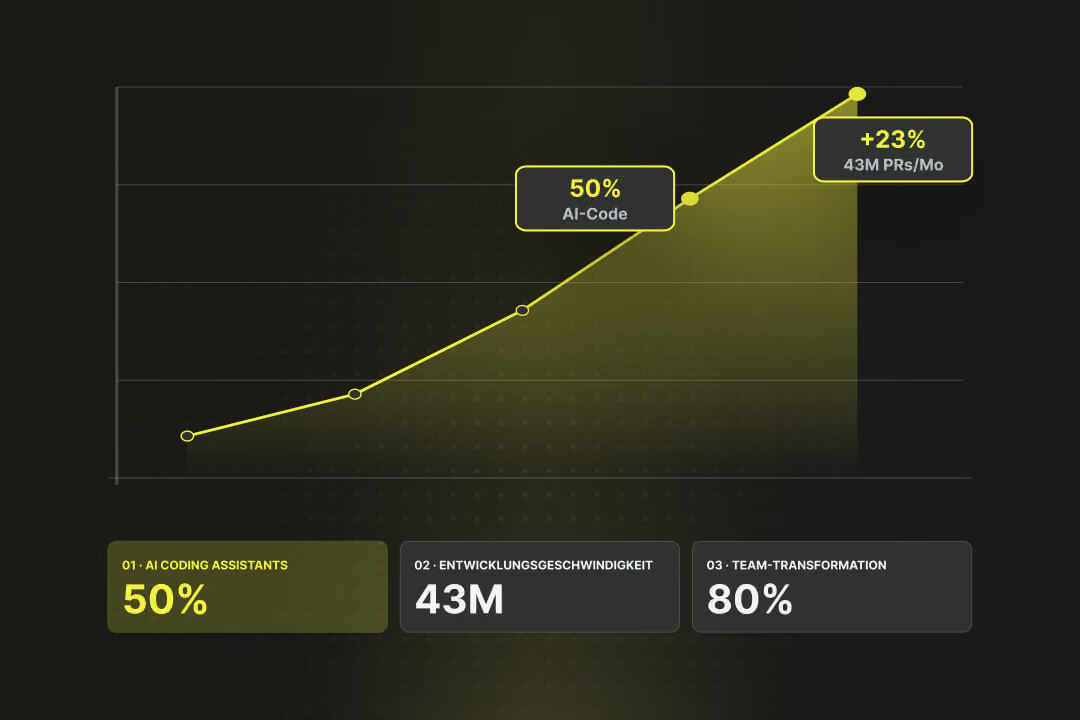
By the end of 2025, almost half of all code on GitHub was generated using AI tools, according to EY Switzerland. Each month, 43 million pull requests were merged, a 23% year-over-year increase (Source: EY Switzerland). Gartner predicts that by 2030, AI-native development platforms will lead to 80% of organizations transforming large developer teams into smaller, AI-augmented units (Source: Gartner). Software development is changing faster than ever before. We highlight the trends that truly matter in 2026, what's driving them, and what this specifically means for businesses.