Blog
Here we share what works — in platforms, processes, and products. For anyone who not only wants to use technology, but also wants to understand it.

According to the swissICT Digital Excellence Report, only 35 percent of Swiss companies are on track with their digital alignment. For 26 percent, there is significant need for action (Source: swissICT). Companies invest in tools, cloud services, and AI pilot projects without a plan that holds it all together. The result: fragmented system landscapes, duplicated work, and budgets that don't flow where they have the most impact. The right IT strategy is the answer to this.
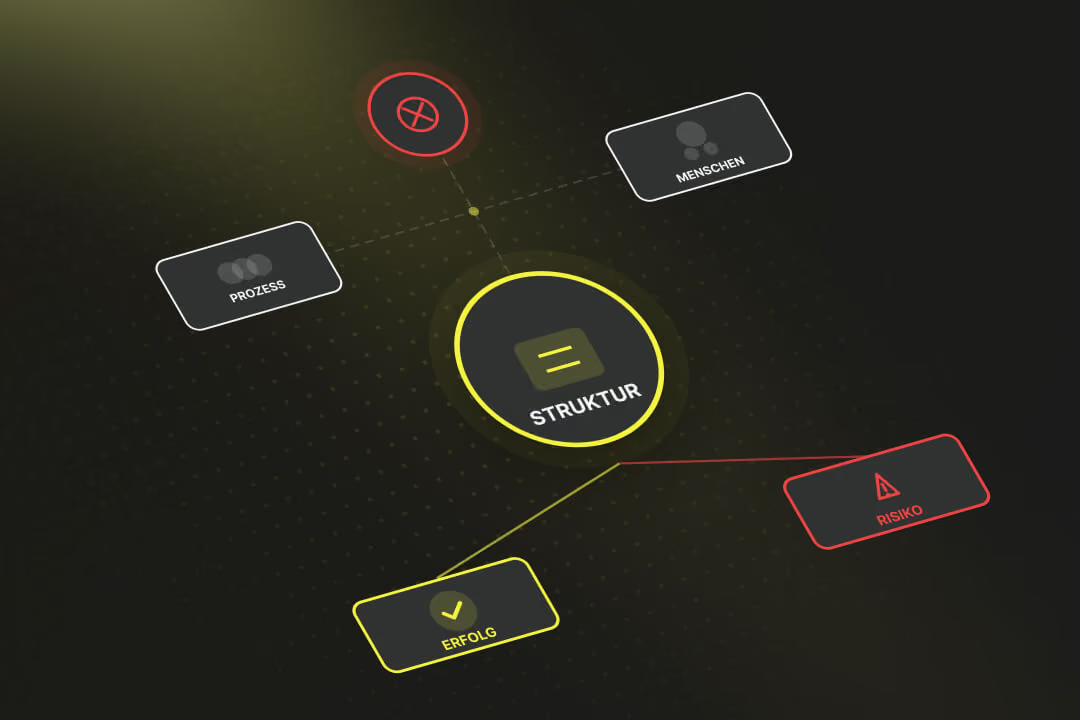
Anyone introducing new software, rebuilding server infrastructure, or automating existing processes encounters the same resistance: systems, teams, and habits don't change on their own. IT Change Management is the structured approach that guides changes in IT systems and organizations to ensure that ongoing operations are not disrupted and the new implementation is successfully adopted. What sounds simple often fails in practice for two reasons: the process and the people.


Artificial intelligence is now an established tool in software development, integrated directly into the programming environment. Developers spend less time writing boilerplate code and can instead focus on how the different parts of an application logically interact.
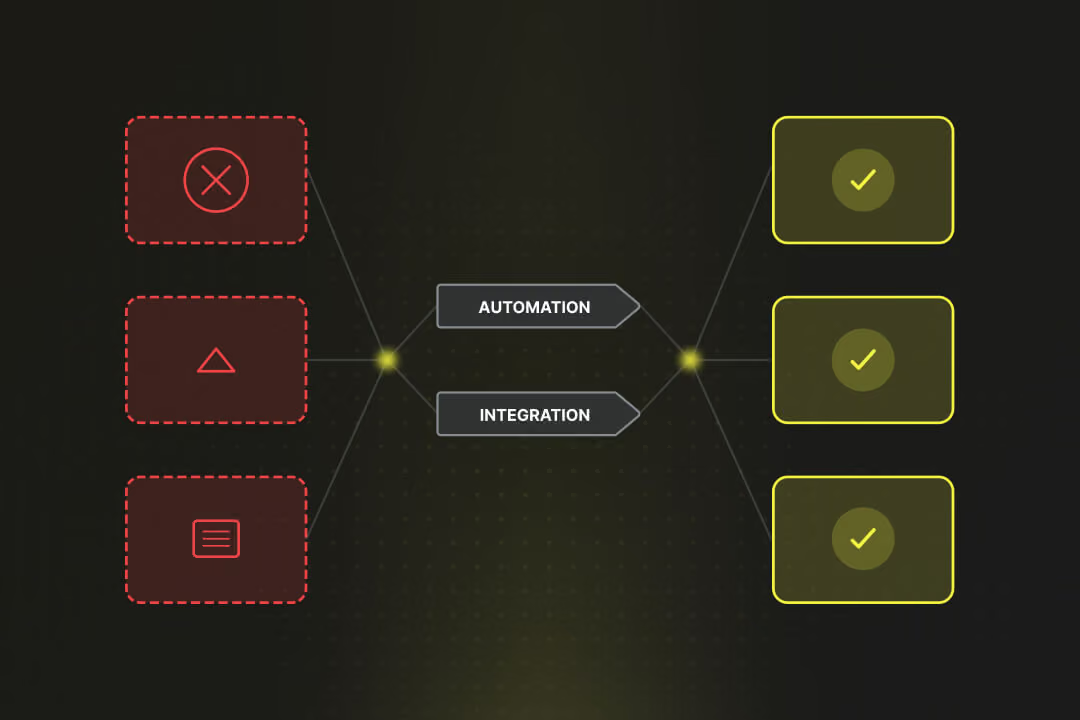
Digital transformation in SMEs is the answer to the acute shortage of skilled workers and your customers' increasing expectations for speed. You restructure your internal infrastructure so that as many processes as possible are automated and all information is available and synchronized for all departments.

According to the PwC report Digital Product Development 2025, so-called 'Digital Champions' – companies with a high level of digital maturity – are already expecting and achieving an efficiency increase of 31% and a 20% reduction in operating costs.
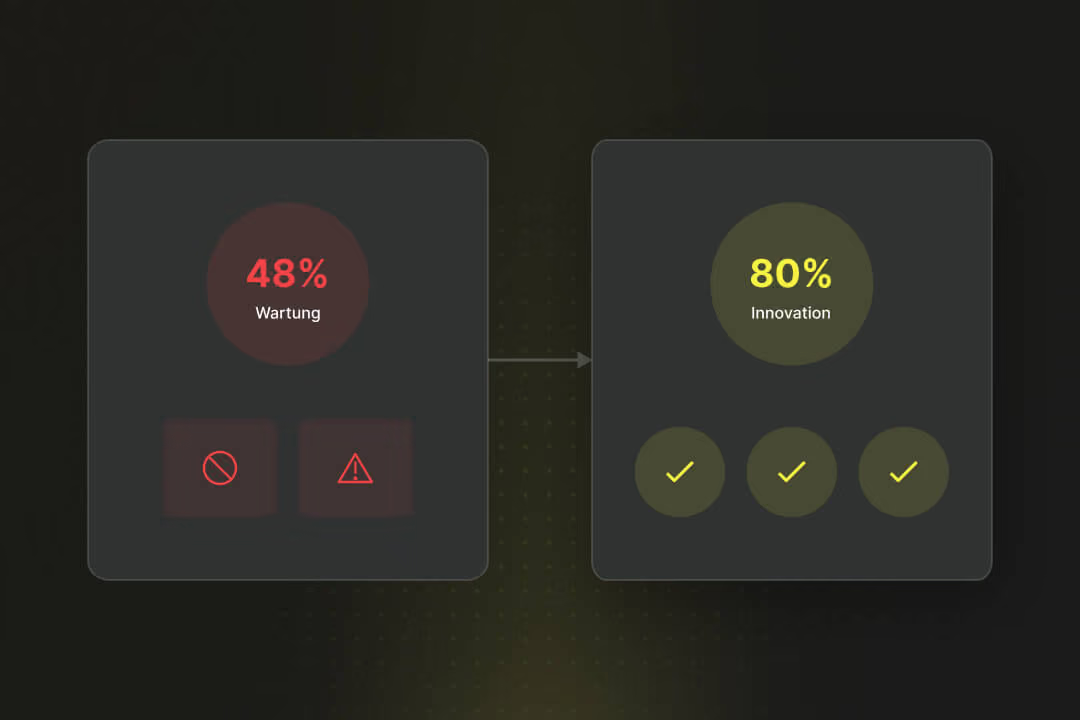
IT modernization is about eliminating technical debt that stifles your innovation. In many companies, outdated systems consume up to 80% of the IT budget solely for maintenance and also pose significant security risks. Strategic modernization frees up your resources and creates the necessary data infrastructure to leverage modern software and AI.
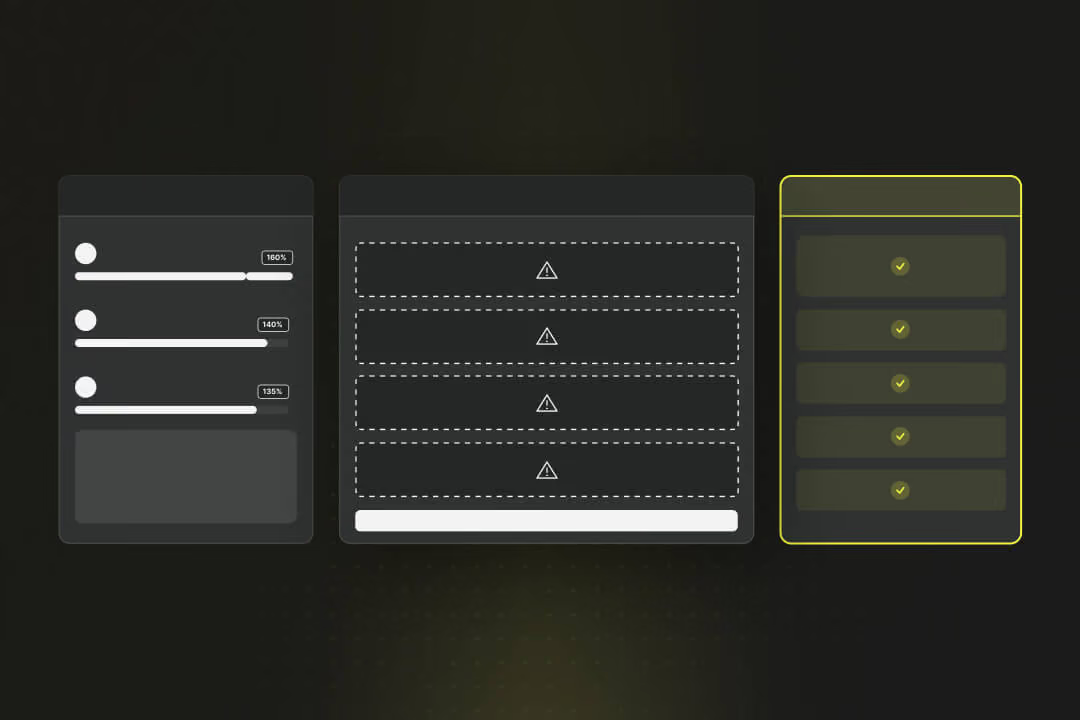
Platform Engineering alleviates the burden on developer teams who, in addition to coding, often have to manage the entire configuration of cloud systems and security pipelines. By building an Internal Developer Platform (IDP), you equip your team with self-service capabilities that make databases or servers available at the push of a button.
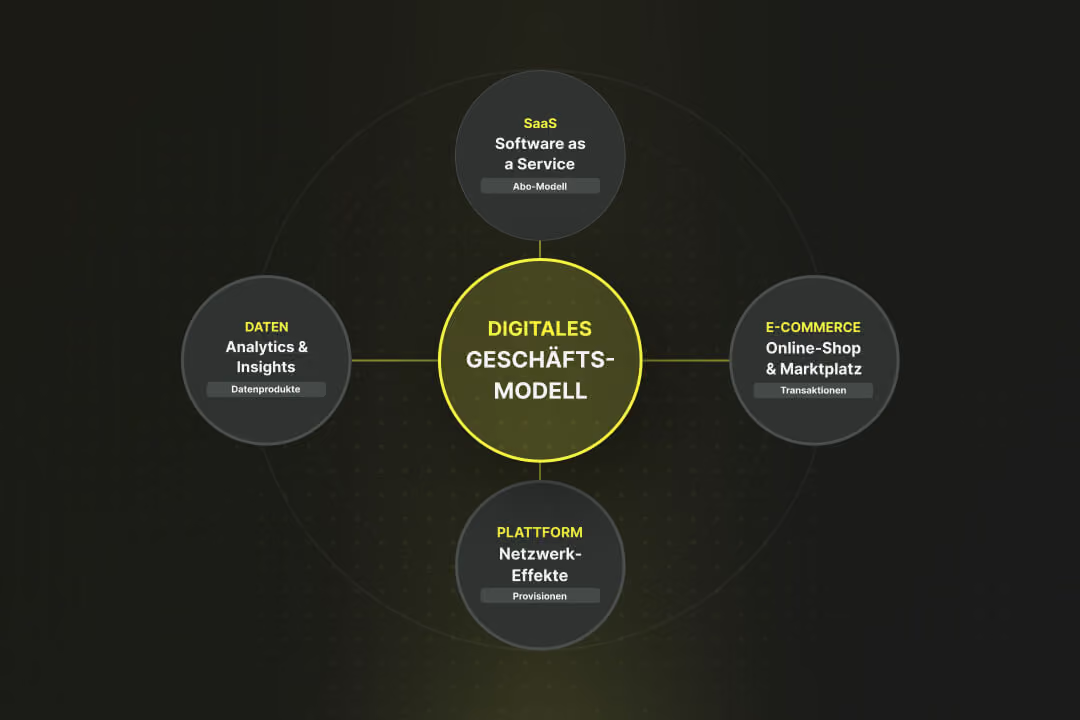
With a digital business model, you can create value and generate revenue with digital products, data, or platforms. This involves providing services online, automating processes, and reaching your customers through digital channels. This enables your offerings to be highly scalable and generate recurring revenue.